Noble Prize

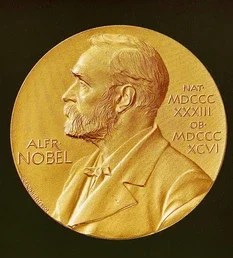
Today, (October 8th, 2026) the Nobel Prize in Literature will be awarded by the Swedish Academy in Stockholm. The winner will receive a gold medal and a little over a million dollars. I probably will not be familiar with the esteemed writer or his/her literature. I’m still trying to catch up on my high school English reading list.

Last year the prestigious award was given to Hungarian author László Krasznahorkai, “for a compelling and visionary oeuvre reaffirming art amid apocalyptic terror.” I’ll stick to Dickens, thank you.

ANYWAY—

I’m not here to talk about the Nobel prize, but the Noble prize.

I just finished a delightful four-week Bible study on the book of Ruth with some of my neighbors. There was a fair amount of head-scratching over some of the cultural references, such as when Ruth uncovered the feet of Boaz in the middle of the night. (As it turns out, it was a marriage proposal. He said yes.) We wondered why Boaz strapped a huge sack of barley on Ruth’s back. (Evidently, it was an engagement present.)

Everything was on the up-and-up.
There was no hanky-panky.
Because these two people were noble.

Boaz was “a prominent man of noble character.” Ruth 2:1
Ruth was “a woman of noble character.” Ruth 3:11

They win the Noble Prize.

In Hebrew Bibles, the book of Ruth comes right after the book of Proverbs,
which closes with a beautiful poem:
“The Wife of Noble Character.”

“A wife of noble character, who can find?
She is worth far more than rubies…
She is clothed with strength and dignity…
She speaks with wisdom, and faithful instruction is on her tongue…
Her husband praises her:
‘Many women do noble things,
but you surpass them all.'”

The Proverbs 31 woman just might be Ruth.

Ruth—
the Moabite outcast,
the widow with no hope and no future,
the daughter-in-law of an angry, bitter woman.

Ruth—
who married a godly man and birthed a baby boy in Bethlehem,
who became the great-grandmother of King David,
who continued the line of Judah so the Seed could arrive
and crush the serpent’s head.

Well done, Ruth.
You deserve to be praised at the city gate.
The Full Extent

“Do you understand what I have done for you?”  John 13:12

There they sat—the Twelve—with their sparkly clean feet.

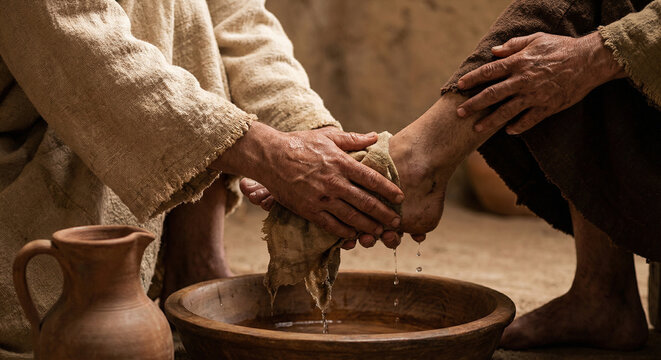
Jesus had just gone around the table with a basin and a towel,
washing off the muck and the crud with His own hands.

Even the feet of Judas, the betrayer—
perhaps the first to be dipped in the water,
making it dark and cloudy.

Even the feet of Peter, the resistant—
perhaps the last to slough off his grime
in the muddy basin.

Even the other ten—
perhaps exchanging uneasy glances,
but offering no words of opposition or appreciation.

They didn’t understand.

But by the time John wrote about that night in his gospel account,
he fully grasped its significance.

“Having loved his own who were in the world,
he now showed them the full extent of his love.”
John 13:1

Lord, help me to comprehend how far Your love extends — how long, how wide, how deep, how high.  And to experience this love for myself, though it is so great that I will never see the end of it or fully know or understand it.  

Repost from October 16, 2014

Attention to Detail

French novelist Gustave Flaubert is credited with saying,
“Le bon Dieu est dans le details.”
(“God is in the details.”)

That’s ironic because Gustave is also credited with
writing such a spicy book that he was put on trial in 1857,
accused of obscenity, immorality, and offending public and religious morals.

I guess his novel included a few too many details.

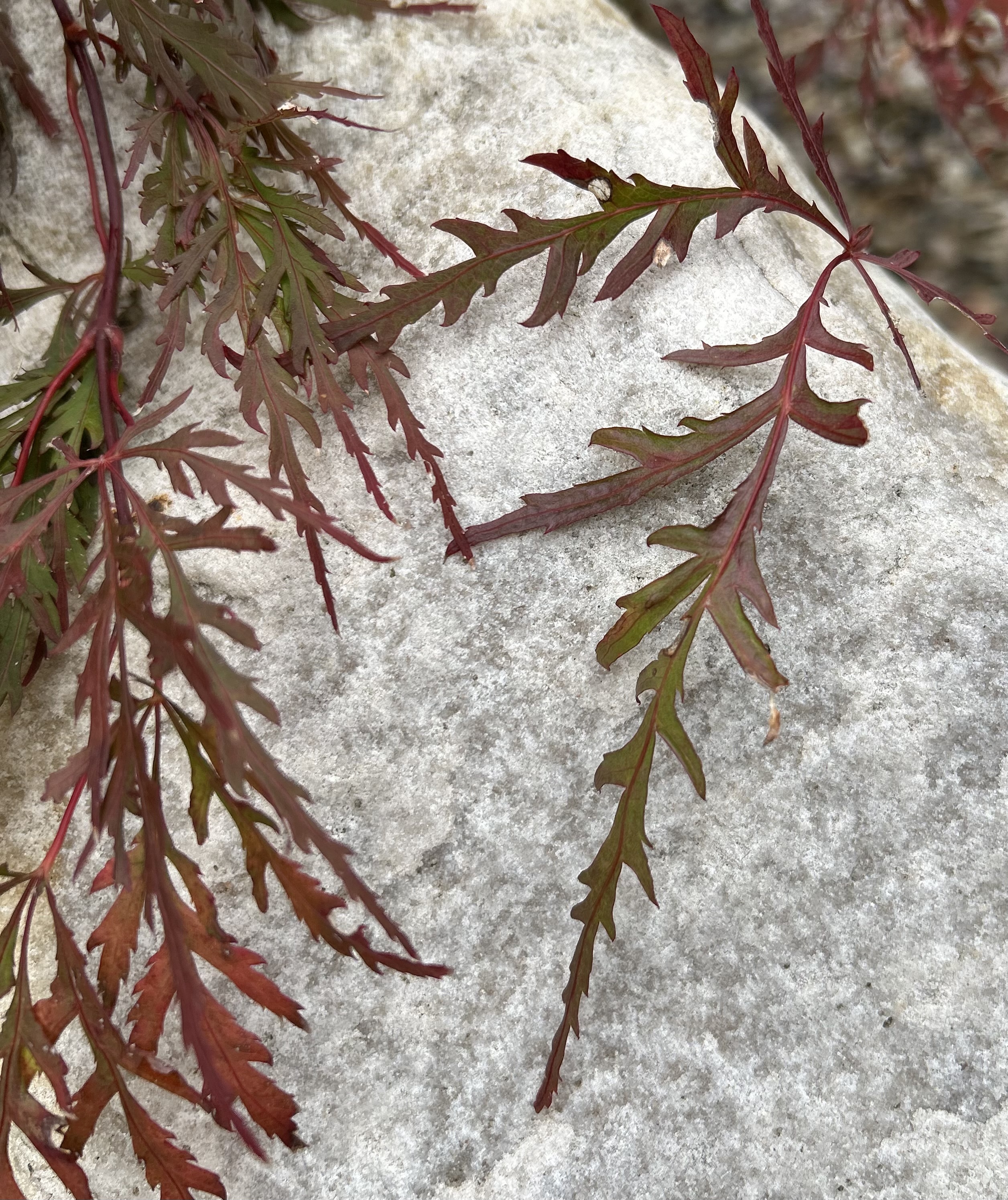
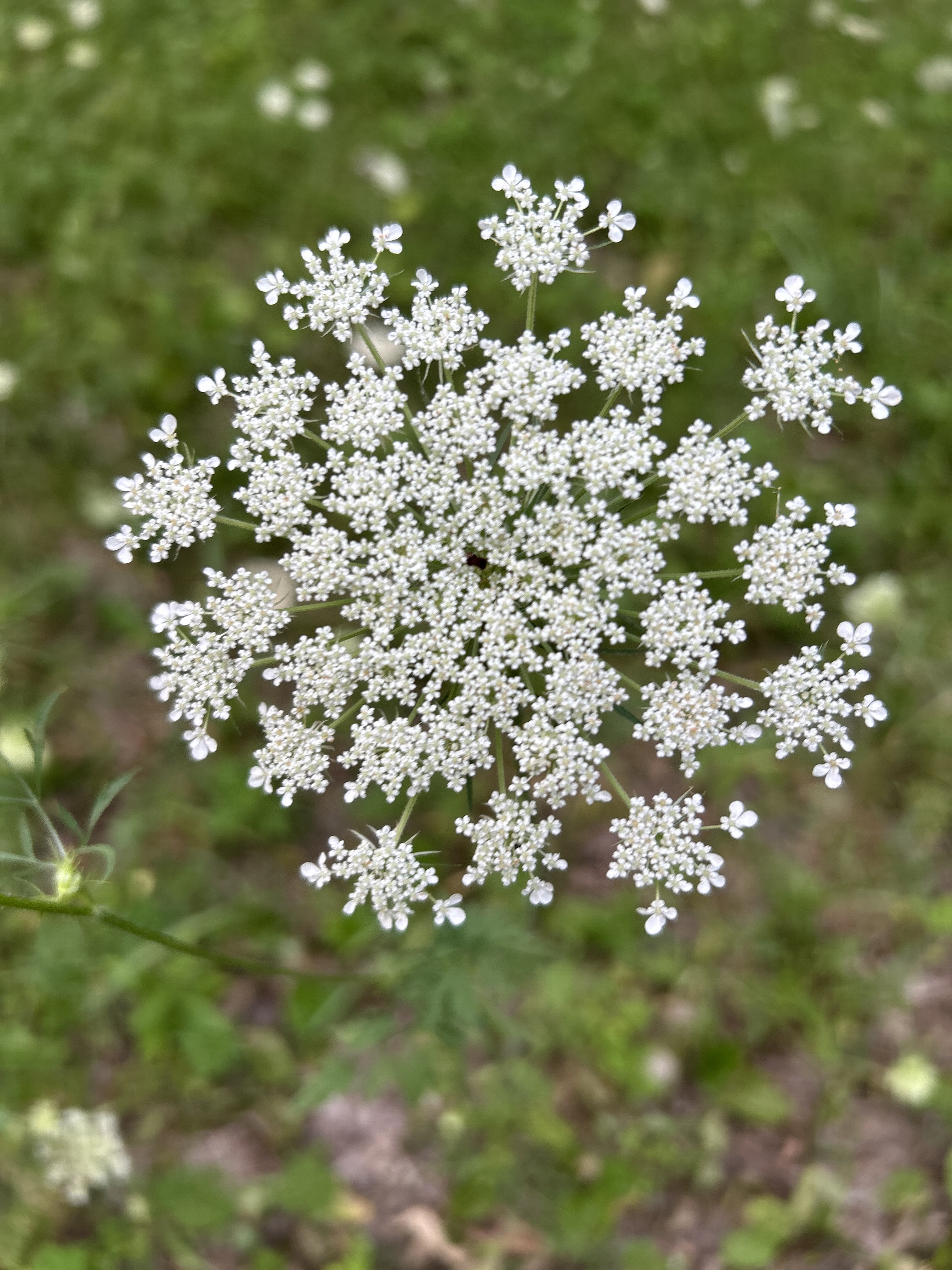
One hundred years later, the London Times printed the phrase, “The devil is in the details.” But I’m sticking with Gustave because I’ve been looking at things close-up lately, and the intricacies are astounding. Why would the Creator of the universe bother to put so much detail in things that are here and gone in a matter of days?

See for yourself.


I don’t care what anybody says.
God is in the details.
We should pay attention.

“And the very hairs on your head are all numbered.”
Matthew 10:30

Sour Patch

A few years ago I joined the sourdough craze. My daughter gave me a jar with “starter” in it—a mix of flour and water that ferments and acts as yeast to make bread rise. I faithfully fed that gooey substance every week and kept the loaves coming.

Ancient Egyptians were the first people to make sourdough bread, discovering fermentation by accident. Around 3000 B.C., Pharaoh’s bakers left a mixture of crushed grain and water out overnight. Wild yeast and bacteria from the air got into the dough and voila! The next morning they were greeted with a bowl spilling over with bubbly, pungent goop. They mixed it into their usual flatbread recipe and were rewarded with a light, airy loaf of tangy, soft goodness.

Egyptians had a scarcity mindset, especially when it came to food. No wonder they built those pyramids and filled them with stuff. No wonder they stored up huge quantities of grain. (Remember Joseph?) Fermentation was a way to increase their food security. 

The Israelite slaves in Egypt ate sour bread for 430 years.

Imagine what it was like when God provided
a new kind of bread in the desert
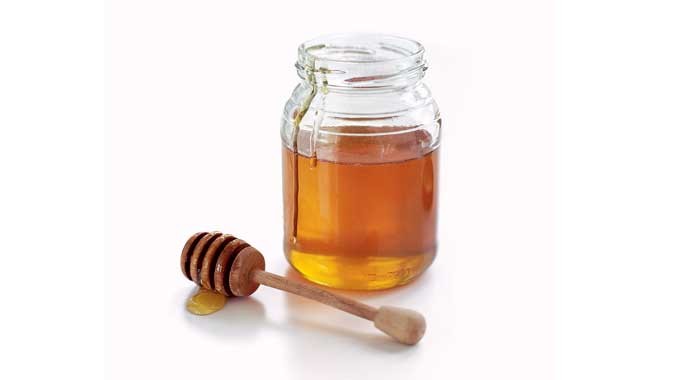
and it tasted like honey –
a sweet bread. 

Slavery in Egypt was a sour patch of time for the Hebrew people.
But once they were delivered from slavery,
God gave them a taste of His sweetness.

Freedom—how sweet it is.

“If the Son sets you free, you will be free indeed.”
John 8:36

Well, Well, Well

Well, the old well has served us well.

Don’t you love the English language?
Three uses of the word “well”—an interjection, a noun and an adverb—in one sentence.

But I’m not here to give an English grammar lesson.
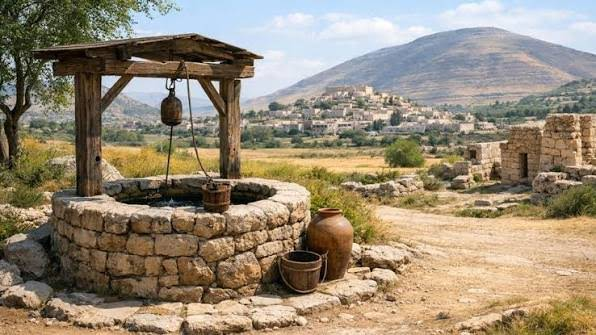
I’m here to talk about wells: noun, plural.

Well #1
Abraham told his servant to go find a wife for his son, Isaac. So the servant journeyed back to Abraham’s homeland and stopped by a well. He prayed, “Let the girl who offers to water my camels be The One.” Before he finished praying, Rebekah arrived and volunteered to water the camels.

“The girl was very beautiful.” Genesis 24:16

Well #2
Isaac’s son, Jacob, was traveling and stopped at a well for refreshment. Rachel came along with her father’s sheep and Jacob offered to water her animals. It was love at first sight and Jacob kissed Rachel right then and there. Then he cried.

“Rachel was lovely in form, and beautiful.” Genesis 29:17

Well #3
Moses was on the run from Pharaoh and landed in Midian, where he sat down by a well. Zipporah and her six sisters showed up with a flock of sheep. Some shepherds started to harrass them, so Moses drove them away and drew water for the sheep. Zipporah’s dad said, “Marry that man.”

“Zipporah was admired for her loveliness.” Midrash (early Jewish literature)

See the pattern here?
It seems all the pretty girls hung out at the local watering holes.
It seems meetings at wells were especially significant.
It seems to be the reason why Jesus had to go to Samaria.

Well #4 (One more)
Jesus was hot, tired and thirsty. He sat down by a well and waited for a divine meeting with a woman. When she came, they talked about living water and true worship. Jesus mentioned the six relationships she’d had with men. Then He told her He was the Messiah. She believed Him. (John 4)

Isaac, Jacob and Moses all found their wives by a well.
Then the Bridegroom Himself
came to a well to win the heart of a Samaritan woman.
Jesus was her #7 (the number of perfection).

You can’t make this stuff up. It’s too good.


Hello, It’s Me

It’s probably not good business sense to take a month off, but whoo-boy, it’s good for the soul.

Thanks to those of you who visited a small drop 3,273 times in August. I’m no big kahuna in the world of online blogs/substacks/current platforms, but the fact that so many of you stopped by when no one was home truly warmed my heart.

I did a little reading in August: Dante’s Divine Comedy — all 900 pages. Goodness gracious. Inferno was riveting. Purgatorio was a bit slow. Paradiso was glorious. It definitely clarified the eternal options and, believe me, you don’t want Inferno. *Horrified shudder* You want Paradiso. *Happy shiver*

I also re-read Theo of Golden by Allen Levi. I liked the book when I read it in March. I loved it when I read it in August. There were so many little things I missed the first time. The subtle foreshadowing that didn’t register in March, suddenly burst forth with depth of meaning in August. The quiet references to scripture stood out the second time through. Because I knew how the story ended, everything became clearer and much more significant. The characters came off the page and into my heart.

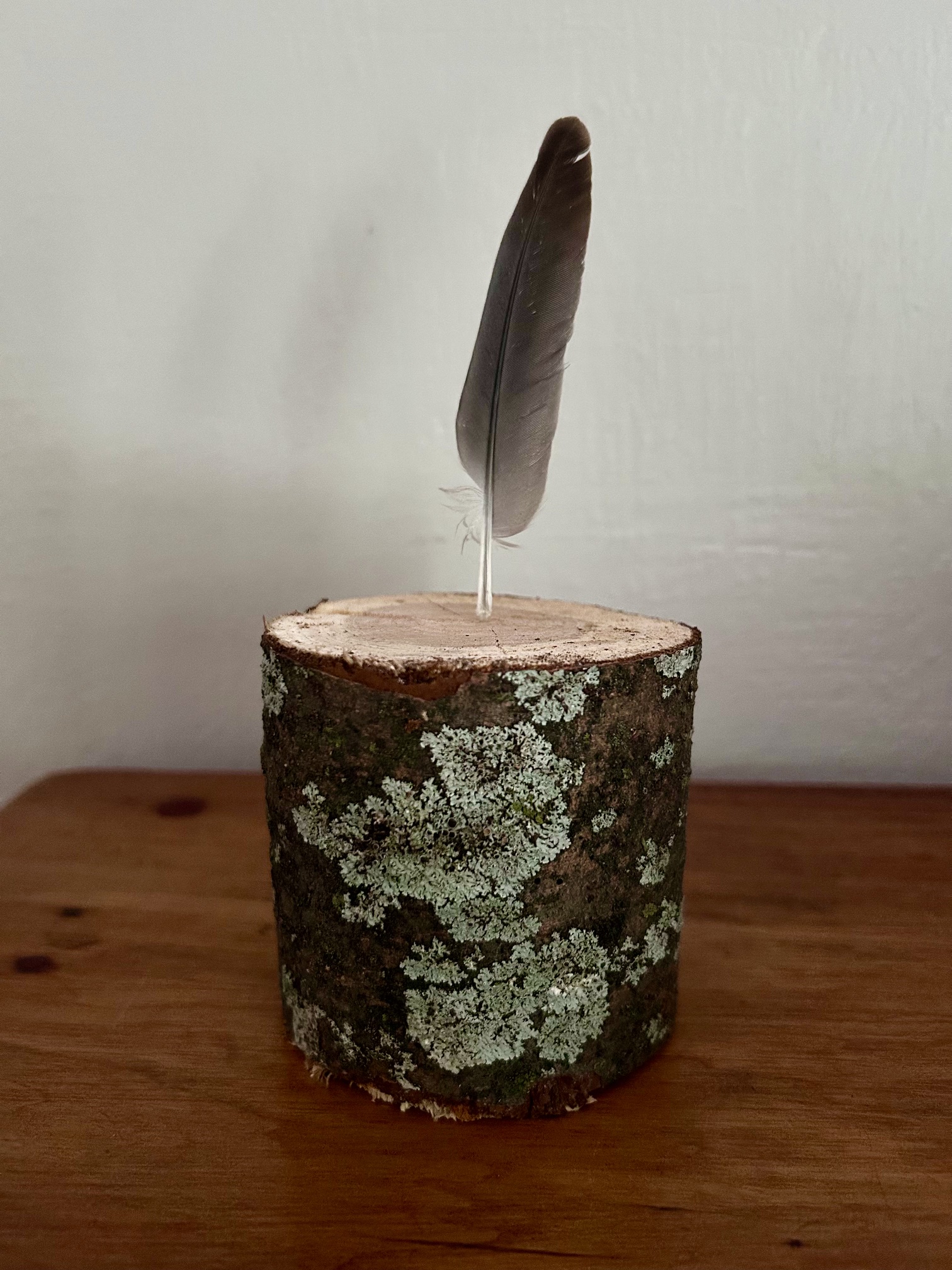
“Featherwood”
IYKYK

Re-reading books is a rarity for me.
(I currently have 429 titles on my To-Be-Read list—
so many books, so little time.)

But I learned something during my August Pause.

I know how The Story ends, which makes everything from Genesis to Revelation pop with meaning and significance. Every time I re-read those holy pages, I find something I missed before. A little more clarity. A little more understanding. More love—every time through—more love.

May the truth of God’s Word
jump from the page
into our hearts.
Amen.

“The Word of the Lord is worth more than gold,
even more than much fine gold.” 
Psalm 19:10

The Grand Lineup

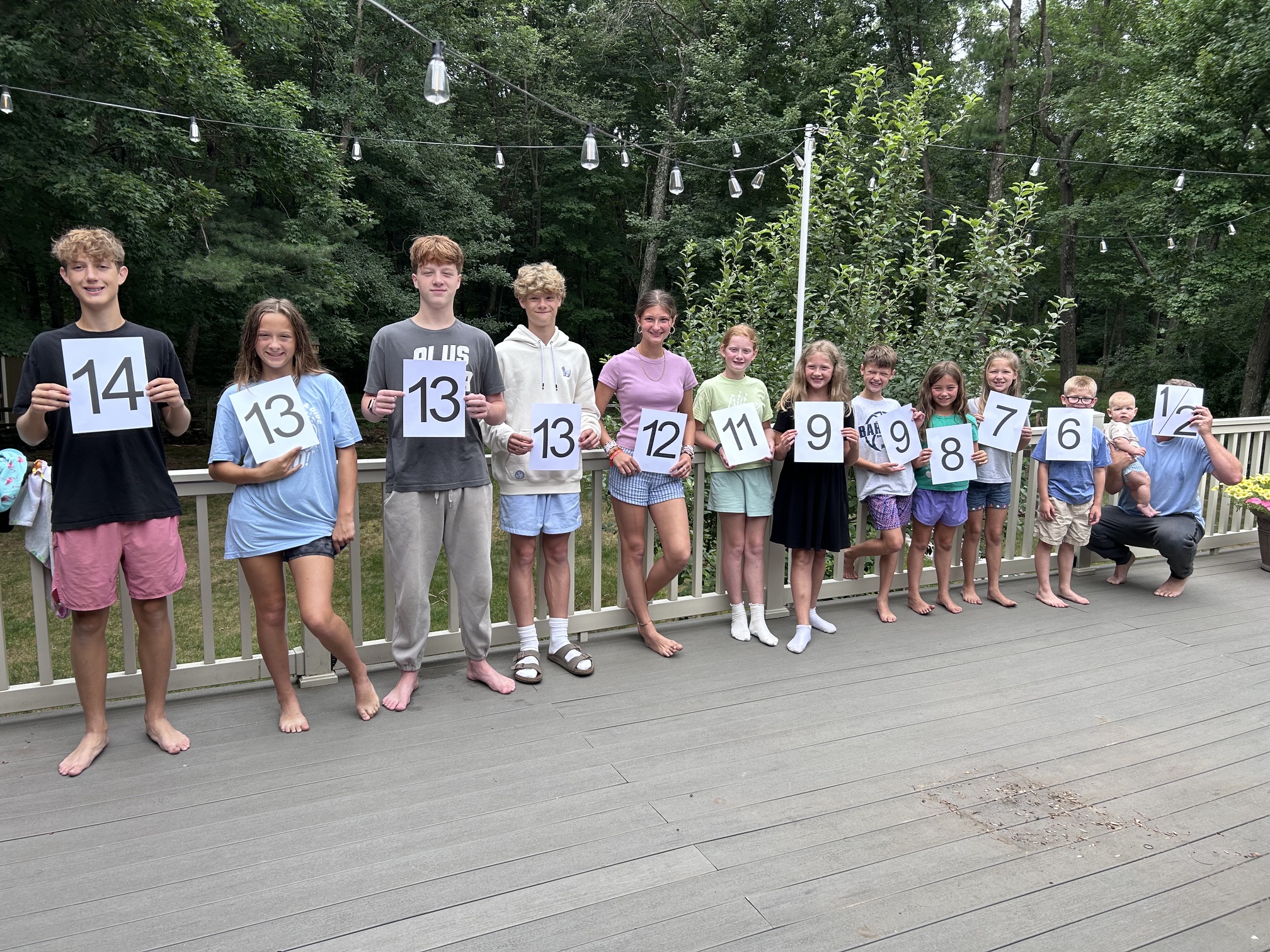
Year by year, the numbers keep getting bigger, as do the children.

Words can’t begin to express how much I love this wild and crazy bunch.

“Talent Show 2026” did not disappoint.

We were thoroughly entertained by various adults and kids, including:
Magic card tricks
A pie in the face
Singing the alphabet song while doing the splits
Original solo piano composition
Sisters doing the “Parent Trap” secret handshake
A solo dance to “Church Clap”
Beautiful self-choreographed dance by two cousins
Funnier-than-all-get-out dance by three big boys
Enchanting vocal solo
Poetry recitation by memory
More magic tricks by Opa
A reading from my 1998 journal

It’s my favorite weekend of the whole year.

Grandkid Lineup through the years:
Minus One, Plus One
Grandkid Lineup
Sweet Spot
The Lineup

Things I Couldn’t Say Until Now

For years, I’ve had a file folder in my desk drawer labeled
Things I Couldn’t Say Until Now.

Slips of paper with rants, complaints, and criticism were filed away.
Sharp-tongued chastisements were duly recorded and deposited.

“Someday,” I thought, “I will unload my righteous judgments.”

I came across that file folder this week.
Whoo-boy, it’s a good thing I didn’t say those things then.
There’s no need to say those things now.
It’s time to let it go.

I created that file folder years ago and since then,
I’ve found a better way to deal with expectations and disappointments.

I say,
“God, I give everyone and everything to You.”
And,
“God, I forgive everybody everything.”
And,
“God, have mercy on me, a sinner.”

“Love…keeps no record of wrongs.”
1 Corinthians 13:5

Home Again

We were only gone for three days last week,
but when we pulled into our driveway,
PB and I both let go with a happy sigh.
Home.

When we walked into our house, we said,
“Ah, it’s good to be back.”

Home again, home again,
Jiggety-jig.

As a child, I loved the stories and poems from the red Childcraft books that were published in the 1950s. I grew up with those books and can still quote all five stanzas of the poem “Antonio.” Many lines from those literary treasures became part of our family’s sayings.

“Gone is gone.”

“An icery creamery conio.”

And this one:

I remember hearing my mom say,
“Home again, home again, jiggety-jig” after a long trip.
Then I started saying it when PB and I had little ones in the back seat.
I said it last week when we pulled into our garage.

That feeling of being home—
it’s only a glimpse,
just a tiny taste,
of what it will be like to arrive in heaven, our true home.

For this world is not our home;
we are looking forward to our everlasting home in heaven. 
Hebrews 13:14, TLB

Home again, home again,
Jiggety-jig.